chakra healing for beginners
All blogs

Chakra Healing for Beginners: How to Balance Your 7 Chakras Naturally

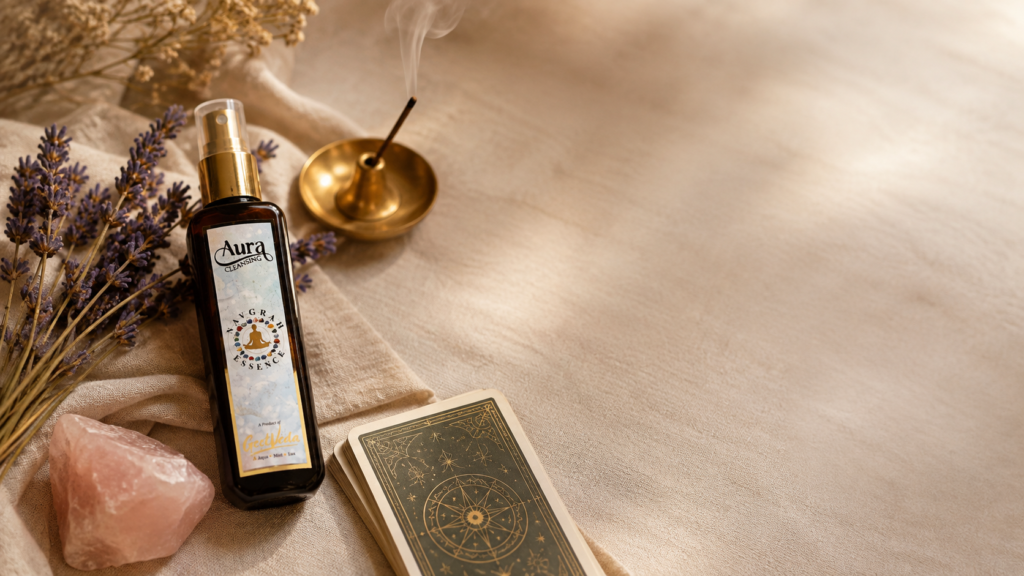
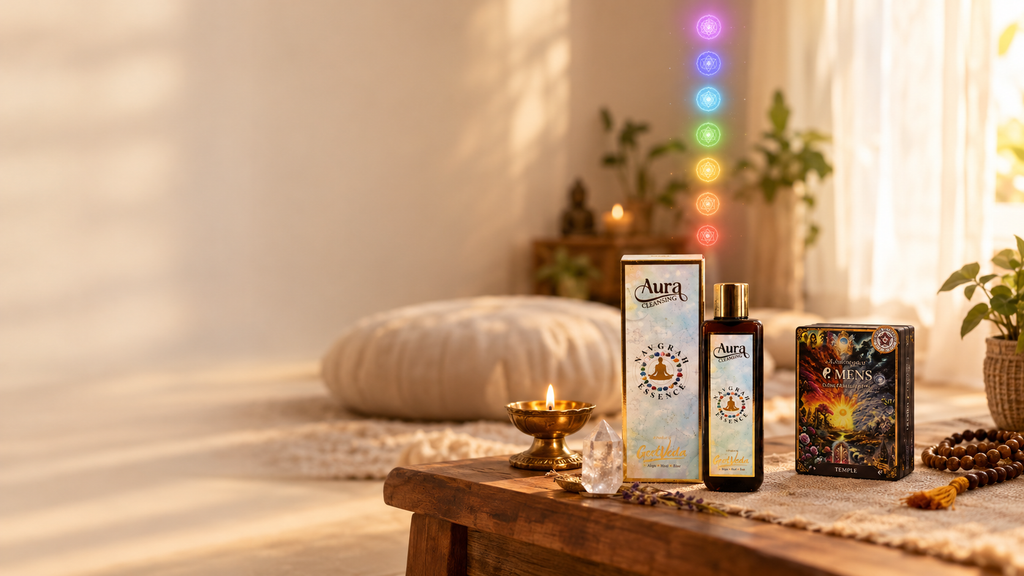
Chakra healing for beginners starts with one simple idea: your body holds energy, and when that energy feels stuck, so do you. If you have ever felt heavy for no clear reason, struggled to speak your truth, or felt disconnected from the people around you, the chakra system offers a way to look at those feelings. This guide explains what chakras are, the meaning of each of the 7 chakras, the common signs of a blocked chakra, and gentle natural practices to help you feel balanced again. A quick note first. Chakra work is a spiritual and traditional wellness practice, not a medical treatment. It can support relaxation and self-awareness, but it never replaces a doctor’s advice for physical or mental health concerns. What Are Chakras? The word chakra comes from Sanskrit and means “wheel” or “disc.” In Vedic and yogic traditions, chakras are energy centers that run along the spine, from its base to the crown of the head. Each one is linked with certain emotions, themes in life, and areas of the body. When these centers are described as “open” or “balanced,” a person feels steady, clear, and connected. When one is described as “blocked” or “overactive,” the emotional or physical themes tied to it are said to feel off. You do not need to believe anything in particular to try these practices. Many beginners simply use the chakra map as a framework for slowing down and checking in with themselves. The 7 Chakras Meaning at a Glance Understanding the 7 chakras meaning is the foundation of chakra healing for beginners. Here is each one, from the bottom up. 1. Root Chakra (Muladhara)Located at the base of the spine. It relates to safety, stability, money, and feeling grounded. Its traditional colour is red. 2. Sacral Chakra (Svadhisthana)Located below the navel. It relates to creativity, pleasure, emotions, and relationships. Its colour is orange. 3. Solar Plexus Chakra (Manipura)Located in the upper abdomen. It relates to confidence, willpower, and self-worth. Its colour is yellow. 4. Heart Chakra (Anahata)Located at the centre of the chest. It relates to love, compassion, forgiveness, and connection. Its colour is green. 5. Throat Chakra (Vishuddha)Located at the throat. It relates to communication, honesty, and self-expression. Its colour is blue. 6. Third Eye Chakra (Ajna)Located between the eyebrows. It relates to intuition, focus, and insight. Its colour is indigo. 7. Crown Chakra (Sahasrara)Located at the top of the head. It relates to spiritual connection, purpose, and awareness. Its colour is violet or white. Blocked Chakra Symptoms: How to Tell When Something Feels Off Blocked chakra symptoms are described in traditional practice as a mix of emotional and physical signals. None of these are diagnoses. They are simply patterns people use as prompts for reflection. If you notice several signs linked to one chakra, that is a gentle hint about where to focus your attention first. If any symptom is persistent, severe, or affecting your daily life, please speak with a qualified health professional. Chakra Balancing Techniques You Can Start Today You do not need special training to begin. These chakra balancing techniques are simple, free, and beginner-friendly. 1. Mindful Breathing and Meditation Sit comfortably and bring your attention to one chakra at a time, starting at the root. Breathe slowly, imagine its colour glowing softly, and stay for a few minutes before moving upward. Research on meditation generally supports its benefits for stress and relaxation, which is one reason this practice feels so calming. You can read an overview from the National Center for Complementary and Integrative Health. 2. Mantra and Sound Each chakra has a traditional seed sound (bija mantra): LAM, VAM, RAM, YAM, HAM, OM, and a silent OM for the crown. Chanting them softly can help you focus the mind. 3. Yoga and Gentle Movement Grounding poses such as Mountain or Child’s Pose suit the root chakra. Heart-opening poses such as Camel or Cobra suit the heart. Even ten minutes of stretching can shift how you feel. 4. Colour, Crystals, and Nature Wearing or surrounding yourself with a chakra’s colour is a simple way to bring your focus to it. Spending time barefoot on grass is a classic grounding practice for the root chakra. 5. Self-Reflection and Journaling Ask yourself one question per chakra, such as “Do I feel safe?” for the root or “Am I speaking honestly?” for the throat. Writing your answers often reveals which area needs attention. 6. Tarot and Oracle Reflection Many people use card readings as a mirror for their inner world. A single daily card can prompt a useful question about your feelings. If you are new to this, the GeetVeda A Journey of Omens 55-card tarot oracle deck is designed for beginners and comes with a Hindi and English guidebook. 7. Clearing Your Space and Energy Many traditions teach that your surroundings affect how you feel, so cleansing your space is a common part of chakra healing for beginners. Smoke cleansing, sound bowls, and herbal sprays are popular options. If you would like a ready-made option, the GeetVeda Navgrah Aura Cleanser Spray is an Ayurvedic herbal spray made for aura cleansing and chakra healing rituals. Spray it around yourself, your meditation corner, or your workspace before you begin a practice, and take a few calm breaths as the mist settles. It is a supportive ritual tool, not a cure. Many people simply find that a fresh scent and a deliberate pause help them feel calmer and more present. A Simple 10-Minute Chakra Routine for Beginners Do this daily for two weeks and notice any changes in your mood, sleep, or focus. Mistakes Beginners Should Avoid When to Seek Personal Guidance Sometimes a general guide is not enough, and you want advice made for you. Your birth chart can offer another lens on your strengths and challenges. You can explore astrology consultancy with Geetanjali Sharma, learn more about the Vastu consultancy service for the energy of your home, or book a tarot consultancy session for personal […]

chakra healing for beginners
All blogs

Chakra Healing for Beginners: How to Balance Your 7 Chakras Naturally

Chakra healing for beginners starts with one simple idea: your body holds energy, and when that energy feels stuck, your mind and mood can feel stuck too. This guide explains the basics in plain language and gives you easy steps to start today. In this guide What Is Chakra Healing for Beginners? The word chakra comes from Sanskrit and means “wheel.” In traditions that began in ancient India, chakras are spinning centers of energy along the spine. You can read more about the history in Britannica’s overview of chakras. Chakra healing is the practice of clearing and balancing these centers. It uses calming tools such as meditation, breathing, movement, sound, and mindful cleansing rituals. Think of it as a wellness habit, not a medical treatment. Many people use it to feel calmer, more grounded, and more connected to themselves. At GeetVeda, we share these Vedic ideas as gentle tools for self-care. You do not need any special background to begin, and chakra healing for beginners can be learned at your own pace in just a few minutes a day. The 7 Chakras Meaning: A Quick Guide Each chakra links to a part of the body and an area of life. Here is the 7 chakras meaning in short, simple terms. 1. Root Chakra (Muladhara) Located at the base of the spine. It relates to safety, stability, and feeling at home in your body. Color: red. When it feels balanced, you feel secure and calm under pressure. 2. Sacral Chakra (Svadhisthana) Located below the navel. It relates to creativity, pleasure, and emotional flow. Color: orange. When it feels balanced, you enjoy life and express your feelings with ease. 3. Solar Plexus Chakra (Manipura) Located in the upper belly. It relates to confidence, willpower, and self-worth. Color: yellow. When it feels balanced, you make decisions with clarity and trust yourself. 4. Heart Chakra (Anahata) Located at the center of the chest. It relates to love, compassion, and forgiveness. Color: green. When it feels balanced, you give and receive love openly. 5. Throat Chakra (Vishuddha) Located at the throat. It relates to honest communication and self-expression. Color: blue. When it feels balanced, you speak your truth kindly and listen well. 6. Third Eye Chakra (Ajna) Located between the eyebrows. It relates to intuition, focus, and insight. Color: indigo. When it feels balanced, you trust your inner voice and see the bigger picture. 7. Crown Chakra (Sahasrara) Located at the top of the head. It relates to purpose, awareness, and spiritual connection. Color: violet or white. When it feels balanced, you feel peaceful and connected to something larger than yourself. Blocked Chakra Symptoms: How to Tell In chakra practice, a “blocked” chakra means that energy feels stuck or out of balance. These are common blocked chakra symptoms people describe: A Simple Self-Check Sit quietly and scan your body from the base of your spine to the top of your head. Notice where you feel tension, heaviness, or numbness. Then ask yourself which area of life feels hardest right now. The match between the two often shows you where to begin. These signs overlap with everyday stress. If you have ongoing physical or mental health symptoms, please speak with a doctor or licensed professional. Chakra Balancing Techniques to Try at Home You do not need special skills. These simple chakra balancing techniques fit into a normal day and make chakra healing for beginners feel easy. Meditation and Visualization For chakra healing for beginners, meditation is the easiest place to start. Sit quietly and picture each chakra as a glowing wheel of its color. Spend one minute on each, moving from root to crown. Research from the National Center for Complementary and Integrative Health shows meditation can help with stress and well-being. Breathwork Slow belly breathing calms the body fast. Breathe in for four counts and out for six while you rest your hand on the chakra you want to focus on. Yoga and Gentle Movement Poses like Child’s Pose (root), Cat-Cow (sacral), Boat Pose (solar plexus), Camel (heart), and Fish Pose (throat) are often paired with chakras. Sound, Color, and Crystals Humming, singing bowls, and chakra-colored objects give your mind an anchor. They are tools for focus, and many people find them soothing. Journaling and Affirmations Write down one feeling for each chakra after your practice. Add a short affirmation, such as “I am safe” for the root or “I speak with honesty” for the throat. Cleansing Your Space A tidy, peaceful space helps you relax. Many people also follow Vedic ideas about home energy, and our Vastu consultancy can help you arrange your space with intention. Using Aura Cleanser in Your Practice Many traditions clear the energy around you before chakra work. A simple cleansing ritual tells your mind it is time to reset. The GeetVeda Navgrah Aura Cleanser Spray is an Ayurvedic herbal spray made for this kind of ritual. It is used to refresh your aura, your room, and your meditation corner before you begin. How to use it: Ready to try it? Shop Aura Cleanser for chakra healing. Use it before meditation, prayer, or whenever your space feels heavy. It is a spiritual and wellness product, not a medical treatment. A 10-Minute Chakra Healing Routine for Beginners Ready to practice? Here is a gentle routine you can follow once a day. Chakra healing for beginners works best when it is short and consistent. Repeat this chakra healing for beginners routine for two weeks and notice any shifts in sleep, mood, or focus. Common Beginner Mistakes to Avoid Most people stumble in the same few places when they start chakra healing for beginners. Here is how to avoid them. Chakra Healing for Beginners: FAQs How long does chakra healing take? There is no fixed timeline. Many beginners notice a calmer mood within a few weeks of daily practice. Can I balance all 7 chakras at once? Yes, a short routine can touch all seven. You can also focus on one chakra for a week if it feels more useful. Do I need crystals […]

daily tarot card pull
All blogs

How to Start a Daily Tarot Card Pull Ritual (Even as a Complete Beginner)

A daily tarot card pull is the easiest way to start reading tarot. You shuffle, draw one card, and spend a few quiet minutes with it. You don’t need to memorize 78 meanings or learn complicated spreads, and it takes less time than making coffee. Many readers find that a single card each morning gives their day a theme and a moment of reflection. This guide shows you how to build a simple daily tarot ritual in under five minutes, even if you’ve never touched a deck. Table of Contents What Is a Daily Tarot Card Pull? A daily tarot card pull is a one card tarot draw you do at the same time each day, usually in the morning. Instead of asking a big question about love or career, you ask something open, like “What energy should I notice today?” Tarot has a long history as both a card game and a tool for reflection. You can read more about its origins on Wikipedia’s tarot overview. Today, most people use it as a mirror for their thoughts rather than a way to predict the future. The one-card format works well for beginners for three reasons: 5 Benefits of a Morning Tarot Practice A morning tarot practice works for more than the cards themselves. Here’s why people stick with it: What You Need to Begin You need very little for a daily tarot ritual: If you don’t own a deck yet, you can start today with our online tool. Head to the Card for Today widget on our homepage and draw your first card for free. The 5-Minute Daily Tarot Ritual, Step by Step Here is a simple routine you can repeat every day. Step 1: Settle In (30 seconds) Sit down and take three slow breaths. Put your phone on silent. This small pause tells your mind that the practice has started. Step 2: Set Your Intention (30 seconds) Choose a gentle, open question. Good options for a daily tarot card pull include: Avoid yes/no questions and anything that asks the cards to predict an exact outcome. Step 3: Shuffle and Draw (1 minute) Shuffle in whatever way feels comfortable. When it feels right, stop and pull one card. There’s no wrong technique. If you’re using our online tool, simply click to draw from the Card for Today widget. Step 4: Look Before You Read (1 minute) Study the artwork before you look anything up. Ask yourself: This is where your intuition develops, so don’t skip it. Step 5: Read the Meaning and Connect It (1.5 minutes) Now check the card’s meaning. Then link it to your day: “Where might this show up for me today?” Step 6: Write It Down (30 seconds) Jot down the card name and one sentence about it. That’s your whole entry. How to Read Your Card as a Beginner Reading a card feels intimidating at first, but a simple three-part method makes it manageable. 1. Notice the image. What’s happening in the scene? A figure walking, resting, struggling, celebrating? 2. Learn the core theme. Each card has a central idea. For example: Card Core Theme The Fool New beginnings, taking a leap The Empress Nurturing, creativity, abundance Three of Swords Heartache, honest hurt Ace of Cups Fresh emotion, open heart Eight of Pentacles Practice, steady effort 3. Make it personal. Ask how the theme applies to your schedule, relationships, or mood today. What About Reversed Cards? Reversed cards (drawn upside down) often suggest the energy is blocked, internal, or needs attention. If reversals feel like too much, leave them out for your first month. Many excellent readers do. Journaling: The Habit-Builder Journaling is what turns a one card tarot draw into a lasting habit. Keep it short so you’ll actually do it. Try this format: The evening check-in is where the learning happens. You’ll start noticing how the cards echo your real experiences, and that makes the meanings stick. Using Both Tarot Decks Our site offers two tarot decks, and each one gives your daily tarot card pull a slightly different feel. [Deck One: link to your first deck page] and [Deck Two: link to your second deck page] each offer their own artwork and atmosphere. Here are two ways to use them: Different art styles highlight different details of a card’s story, so working with both deepens your understanding quickly. Common Beginner Mistakes Avoid these pitfalls to keep your daily tarot ritual enjoyable: Your 7-Day Starter Plan Use this plan to build momentum in your first week of morning tarot practice: Day Focus 1 Draw a card and describe only what you see 2 Add the core theme of the card 3 Connect the card to one task or meeting 4 Write one sentence in your journal 5 Try the evening check-in 6 Pull from the second deck and compare 7 Review the week: any repeated cards, colors, or themes? Anchor the habit to something you already do, like brewing coffee or brushing your teeth. Then bookmark the Card for Today widget so your daily tarot card pull is always one click away. FAQs How long should a daily tarot card pull take? Five minutes is plenty. A short, consistent practice is better than a long, occasional one. What time of day is best for a daily tarot ritual? Morning is the most popular choice because the card sets the tone for your day. If evenings suit you better, pull a card then to reflect on the day just finished. Consistency matters more than timing. Can I do a one card tarot draw if I don’t own a deck? Yes. Our homepage Card for Today widget lets you draw a card online at no cost, which is a good way to start before buying a physical deck. Do I need to be psychic or spiritual to use tarot? No. Many people use tarot purely as a journaling and self-reflection tool. Your interpretation matters more than any special ability. Should I pull […]

vastu tips for positive energy
All blogs

Vastu Tips for Positive Energy: 10 Ways to Fill Your Home With Calm and Prosperity

Ever walk into a home and instantly feel at ease, while another leaves you tense for no clear reason? Vastu Shastra, the ancient Indian science of architecture and space, says that’s no accident. The direction your rooms face, where you place furniture, and how you handle clutter are all believed to shape the flow of energy in your space. If you want your home to feel lighter, calmer and more prosperous, these vastu tips for positive energy are a simple place to start. You don’t need to knock down walls or spend a fortune. Most of these vastu remedies are small, practical changes you can make this weekend. In this guide: What Are Vastu Tips for Positive Energy? The best vastu tips for positive energy are practical adjustments that align your home with the five elements (earth, water, fire, air and space), known in Sanskrit as the Panchamahabhuta, and with the eight directions. The idea behind home energy vastu is to match each room to the direction and element that suits its purpose, so energy flows freely rather than stagnating. Vastu is a traditional belief system rather than a scientific one. Still, many people find that following vastu tips for positive energy improves how a home feels, because they involve more light, less clutter, better ventilation and mindful layouts. 10 Vastu Tips for Positive Energy at Home Here are the most effective vastu tips for positive energy, starting with the easiest. 1. Start With the Main Entrance In Vastu, the main door is the “mouth” of the house, the point where energy enters. To keep it welcoming: North, northeast and east-facing entrances are traditionally considered especially favorable. 2. Declutter Regularly Clutter is one of the most common causes of “heavy” energy in homes. Old papers, broken gadgets, expired medicines and unused items hold energy that is stuck rather than flowing. This is one of the easiest positive energy home tips, and it helps your mind as much as your space. 3. Let in Natural Light and Fresh Air Vastu strongly favors open, airy homes. Morning sunlight from the east is traditionally seen as purifying and energizing. 4. Place the Kitchen and Stove Correctly The kitchen represents the fire element and, in Vastu, the health and prosperity of the household. Want more detail? Read our guide to Vastu for the kitchen (internal link). 5. Get the Bedroom Right Good rest is the foundation of a positive home. These vastu remedies are simple to apply: See our full Vastu tips for the bedroom (internal link) for more. 6. Use Water Elements in the Northeast The northeast (Ishan corner) is linked with clarity, wisdom and new opportunities. 7. Keep the Center of the Home Open The center, the Brahmasthan, is considered the energetic heart of the house. 8. Bring in the Right Plants Plants add life and freshness, and Vastu has clear preferences: 9. Fix Mirrors, Colors and Broken Items Small details add up in vastu remedies: 10. Cleanse Your Home’s Energy Regularly (A Modern Ritual) Traditional Vastu has always included cleansing rituals, such as salt-water mopping, burning camphor or incense, ringing bells and chanting. These practices are meant to reset the atmosphere of a space, especially after arguments, illness, a stressful period or moving into a new home. If you want an easier way to keep the habit going, our Aura Cleanser (internal link to product page) fits into your daily or weekly routine, so refreshing your space takes a minute rather than an hour. It’s one of the simplest vastu tips for positive energy to maintain long term. Use it after decluttering, before pujas, or whenever a room feels heavy. A simple 5-minute cleansing ritual: When Simple Tips Aren’t Enough: Consider a Vastu Consultation These vastu tips for positive energy work well as a starting point, but every home is different. Its plot shape, entrance direction, room layout and family needs all change which remedies suit you best. Some structural issues, such as a kitchen in the northeast or a toilet in a sensitive zone, can’t be solved with decor alone. Our Vastu Consultancy service (internal link) reviews your floor plan, identifies imbalances room by room, and recommends practical vastu remedies, many of which need no construction. It’s especially useful if you’re: Book your Vastu consultation today → Frequently Asked Questions Which vastu tips for positive energy work best for beginners?Start with decluttering, keeping the entrance clean and bright, opening windows every morning, and adding a simple cleansing ritual to your week. These need no structural changes and show results in how the home feels. Which direction brings the most positive energy in a home?In Vastu, the northeast is considered the most auspicious zone, associated with clarity and new opportunities. The east and north are also favorable for entrances and open spaces. How often should I cleanse my home’s energy?Many practitioners suggest a light weekly cleansing and a deeper one monthly, and also after major life events, illness or conflict at home. Can I follow Vastu in a rented home or apartment?Yes. Focus on flexible elements: decluttering, lighting, ventilation, plants, colors, furniture placement and cleansing rituals. Are vastu remedies scientifically proven?Vastu is a traditional belief system, not a scientific one. Its practical elements, like natural light, ventilation and tidiness, can improve comfort and mood, and many people find the rituals give a sense of calm and intention. Final Thoughts on Vastu Tips for Positive Energy Positive energy at home isn’t about perfection. It’s about small, consistent choices: a clear entrance, more light, a tidy space and a habit of refreshing your surroundings. Start with two or three of these vastu tips for positive energy this week and notice how your home feels. Ready to go further? Explore our Aura Cleanser for an easy energy reset, or book a Vastu consultation for guidance tailored to your home.

how to choose a tarot deck
All blogs

How to Choose a Tarot Deck: The Right One for You (Beginner’s Guide)

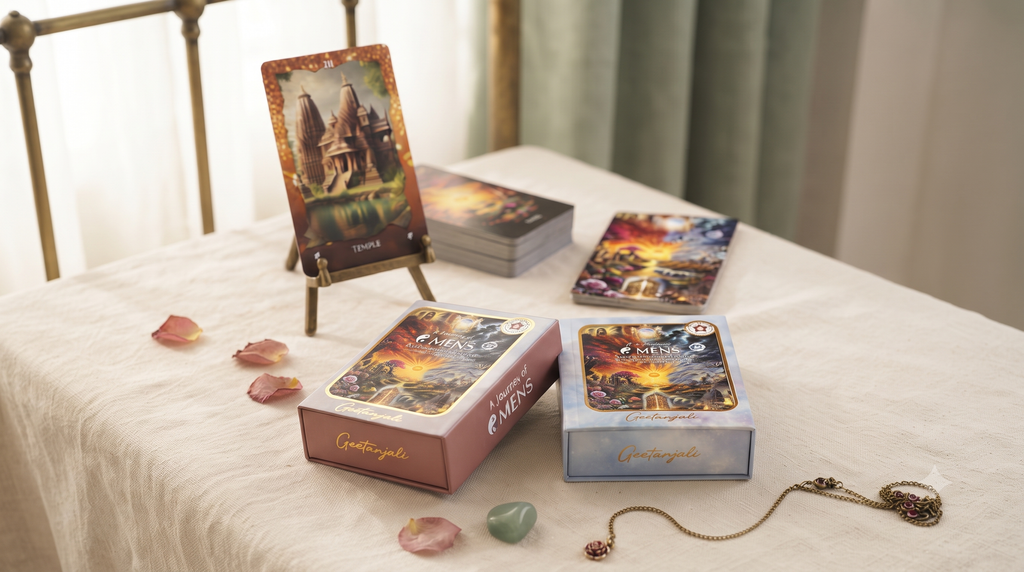
Standing in front of dozens of tarot decks — each with different artwork, themes, and card counts — can feel overwhelming, especially if this is your first one. Should you go with something traditional? Something more intuitive and modern? Does the artwork even matter, or is it just about the meanings? If you’ve been searching for how to choose a tarot deck that actually feels right for you, you’re not alone. Most beginners get stuck comparing specs instead of listening to what genuinely draws them in. This guide breaks the decision down into simple, practical steps, so you walk away with a deck you’ll actually want to pick up every day. Why Choosing the Right Tarot Deck Matters A tarot deck isn’t just a set of cards — it’s a tool you’ll be building a relationship with over time. The right deck feels intuitive in your hands, the artwork resonates with you emotionally, and the meanings come naturally the more you use it. The wrong deck, on the other hand, can feel confusing or disconnected, even if it’s technically “good,” simply because it doesn’t match how you personally interpret symbols and energy. This is why learning how to choose a tarot deck properly deserves a little more thought than just picking whatever looks pretty on Instagram. How to Choose a Tarot Deck: 7 Key Factors 1. Artwork and Visual Style This is often the first thing that draws people to a deck, and for good reason — you’ll be looking at these images regularly, so they need to genuinely appeal to you. Some decks use soft, dreamy illustrations, while others lean into bold, symbolic, or minimalist art. Flip through sample images online before buying and notice which style you’re naturally drawn to. 2. Traditional vs Modern Symbolism Traditional decks follow classic tarot structure with well-established symbolism, which can make learning meanings a little easier since there’s more reference material available. Modern or themed decks reinterpret these meanings through fresh imagery and often feel more intuitive for people who connect better with visual storytelling than memorized definitions. 3. Number of Cards and Deck Structure Most traditional tarot decks have 78 cards split into Major and Minor Arcana. However, some modern decks — like GeetVeda’s Journey of Omens, a 55-card tarot deck — simplify this structure, making them easier for beginners to start with without feeling overwhelmed by too many card meanings at once. 4. Purpose of the Reading Think about why you want a tarot deck in the first place. If your primary interest is love, relationships, and emotional clarity, a focused deck like the Love & Relationship Tarot Deck will feel more directly useful than a general-purpose deck. If you’re looking for broader life guidance, career direction, or spiritual insight, a more general deck may serve you better. 5. Card Size and Material Quality Smaller decks are easier to shuffle, especially for people with smaller hands, while larger cards often showcase artwork more vividly. Card stock quality also matters — thicker, coated cards last longer and shuffle more smoothly over repeated use. 6. Included Guidebook A clear, well-written guidebook makes a huge difference for beginners. Look for a deck that includes simple explanations for each card, along with suggested spreads, so you’re not relying purely on memorization or external apps in your early days. 7. How It Feels When You Hold It This might sound unusual, but many experienced tarot readers say the “right” deck simply feels different in your hands — lighter, more comfortable, or somehow more aligned. If you have the option to browse in person, pay attention to that instinctive reaction. In a detailed piece on tarot as a tool for self-reflection, the author explains that a deck’s imagery works best when it bypasses the analytical mind — which is exactly why that instinctive “pull” toward a deck matters more than logic alone. Love & Relationship Tarot Deck vs Journey of Omens: A Quick Comparison If you’re deciding between GeetVeda’s two decks specifically, here’s a simple breakdown: Feature Love & Relationship Tarot Deck Journey of Omens (55-Card) Best for Love, relationships, emotional clarity General life guidance, self-discovery, career and life direction Card count Focused deck 55 cards Ideal reader Those seeking relationship-specific insight Those wanting broader, holistic guidance Beginner-friendly Yes, with focused meanings Yes, simplified structure If your main curiosity is romantic relationships, compatibility, or emotional patterns, start with the Love & Relationship deck. If you’re more interested in overall life direction, decisions, and self-reflection, the Journey of Omens deck will likely resonate more. Common Mistakes Beginners Make When Choosing a Deck If you’d like a broader overview of what makes a deck beginner-friendly in general, our earlier post on choosing the best tarot deck for beginners covers additional foundational tips worth reading alongside this guide. How to Start Using Your New Tarot Deck Once you’ve chosen your deck, ease into it gently rather than trying to memorize every meaning at once. Many beginners find it helpful to build a simple daily habit, such as pulling a single card each morning and reflecting on how it relates to their day. As this feature on tarot and self-development points out, tarot works best as a mirror for reflection rather than strict prediction, which is part of why a gentle, consistent practice tends to work better than trying to “master” it all at once. Pairing your reading ritual with an Aura Cleanser Spray to clear the space beforehand is also a simple way to create a more focused, intentional reading environment. Final Thoughts Now that you know how to choose a tarot deck, the decision ultimately comes down to what feels right for you — the artwork, the purpose, and how naturally the meanings click as you practice. Whether you’re drawn to the focused emotional depth of the Love & Relationship Tarot Deck or the broader guidance of the Journey of Omens deck, the best choice is the one you’ll actually want to return to, again and again. […]

Tarot Card Reading for Career
All blogs

Tarot Card Reading for Career: What the Cards Say About Your Job & Growth

Somewhere between the Sunday-night dread and the “should I just quit already” 2 a.m. spiral, most of us have wished for a straight answer about our work life. Should you take the new job? Is that promotion actually coming? Is it time to walk away from a role that’s slowly hollowing you out? This is exactly where a tarot card reading for career earns its place. Unlike love or marriage readings, which lean on emotion and timing, a career tarot spread deals with something more concrete — decisions, patterns, and the practical crossroads that shape your working life. If you’ve spent time exploring tarot for relationships, career is the next frontier worth understanding, and it’s one of the most requested — yet least explored — reasons people turn to the cards. Why People Turn to Tarot for Career Guidance Career decisions rarely happen in isolation. A single choice — accepting an offer, pushing back on a raise, leaving a toxic manager — ripples into your finances, your confidence, and even your relationships. That weight is exactly why so many people search for a job tarot reading before they make a move. Tarot doesn’t predict your career with the certainty of a fortune cookie. What it does is act as a mirror — surfacing the fears, blind spots, and half-formed intentions you haven’t consciously named yet. A well-drawn card can validate a gut feeling you’ve been ignoring, or gently challenge a decision you’ve already convinced yourself is right. People commonly seek a career reading when they’re facing: If any of these sound familiar, a structured career spread can help you organize the noise into something you can actually act on. If you’d rather have an experienced reader walk you through it, GeetVeda’s Tarot Consultancy offers one-on-one career readings tailored to your specific situation. How a Tarot Card Reading for Career Spread Works A tarot card reading for career spread is simply a layout of cards designed to answer work-related questions, rather than a generic three-card pull. Each position in the spread represents a different piece of the puzzle — your current situation, hidden influences, obstacles, and likely outcome. A popular and effective layout looks like this: This structure works because careers aren’t single-moment events — they’re built from small, repeated choices. Breaking the question into these layers gives you a fuller picture than a single card ever could. What Specific Cards Can Reveal About Your Job While every reading is contextual, certain cards show up again and again in career-focused pulls, and their career interpretation differs meaningfully from their romantic one. The Eight of Pentacles often signals a phase of skill-building, dedication, and mastery — a sign you’re on the right track even if progress feels slow. The Ten of Pentacles points to long-term stability, legacy work, or financial security finally taking shape. On the flip side, the Five of Pentacles frequently appears when someone feels financially insecure or professionally excluded — a nudge to seek support rather than struggle alone. The Two of Swords is the classic “stuck at a crossroads” card, often showing up for people torn between staying in a safe job or taking a leap. Major Arcana cards carry heavier weight. The Wheel of Fortune suggests a shift is coming, often outside your control — a restructuring, a sudden offer, a layoff. The Tower, though intimidating, frequently shows up before a career breakthrough that requires the old structure to collapse first. And The Star, when it appears in a job reading, is almost always a reassurance: better things are ahead, even if you can’t see the shape of them yet. Tarot for Job Change: Reading the Signs of Transition If you’re specifically wondering about tarot for job change, the reading tends to focus less on “yes or no” and more on timing and readiness. Cards like the Eight of Wands suggest fast-moving momentum — interviews, offers, or decisions arriving quickly. The Six of Swords is one of the most reassuring transition cards, symbolizing a move away from a difficult situation toward calmer waters. If you keep drawing cards like the Four of Pentacles or the Nine of Wands, it might be worth examining whether fear — not logic — is what’s keeping you in a role you’ve already outgrown. Tarot is particularly good at revealing this kind of self-protective hesitation, since it takes the direct question (“should I quit?”) and reframes it around what’s actually driving your indecision. Getting the Most Honest Reading Possible The quality of a career reading depends heavily on the questions you ask and the deck you’re using. Vague questions produce vague answers. Instead of asking “will I get a new job,” try: Specific questions like these give the cards something concrete to respond to, and they make the guidance far easier to actually apply. Why the Journey of Omens Deck Works Especially Well for Career Readings Not every tarot deck is built for the practical, decision-heavy nature of career questions. Many traditional decks lean heavily into romantic or spiritual symbolism, which can make work-related pulls feel a little disconnected from real life. This is where the Journey of Omens deck stands apart. Designed as a life-guidance deck rather than a purely mystical one, this 55-card tarot-oracle hybrid comes with a bilingual Hindi and English guidebook, and it draws on archetypes and imagery rooted in real transitions — ambition, patience, risk, burnout, and reinvention — the exact emotional terrain of a career crossroads. Where some decks ask you to interpret abstract symbolism, Journey of Omens leans toward clarity, making it especially suited to spreads that need actionable answers rather than poetic ones. For someone specifically pulling cards on job security, promotions, or the decision to pivot industries, this grounded approach can make the guidance feel less like folklore and more like a structured way of thinking through your own instincts. It’s beginner-friendly by design, so you don’t need prior tarot experience to start using it for real decisions. If you’ve used other […]

negative energy removal at home
All blogs

15 Simple Ways to Remove Negative Energy From Your Home

Have you ever walked into your own house after a long day and felt an odd heaviness in the air — like something invisible is weighing the room down? You’re not imagining it. Homes absorb energy the same way they collect dust: from arguments, stress, illness, clutter, and even the emotions we carry in from the outside world. Left unaddressed, this buildup can leave you feeling drained, irritable, or unable to relax even in your own space. The good news is that negative energy removal at home doesn’t require anything complicated. Vedic traditions have offered simple, time-tested remedies for centuries, and many of them take just a few minutes. In this guide, we’ll walk through 15 practical ways to clear negative energy from your home, along with the signs that tell you it’s time for a reset. What Causes Negative Energy to Build Up at Home? Before jumping into remedies, it helps to understand where this energy comes from. Common sources include: None of these are permanent conditions — they’re simply signals that your home’s energy needs some intentional care, much like your body needs rest after a demanding week. Signs You Needs To Do Negative Energy Removal at Home You don’t need to be highly sensitive to notice these signs: If any of this sounds familiar, it may be time to try one or more of the remedies below. 15 Ways of Negative Energy Removal at Home 1. Declutter One Room at a Time Clutter isn’t just a visual problem — in Vastu and energy practices, it’s considered stagnant energy that blocks fresh flow. Start with one room, clear surfaces, and donate what you no longer need. 2. Open Windows Every Morning Simply letting fresh air and sunlight in for 15–20 minutes each morning helps circulate stale energy and naturally uplifts the mood of a room. 3. Clean With Salt Water A traditional remedy involves wiping floors or door thresholds with a mild salt-water solution, as salt is widely believed to absorb and neutralize negative energy. 4. Burn Camphor or Loban Lighting camphor (kapoor) or loban resin in a heatproof bowl and letting the smoke circulate through rooms is a common Vedic practice for purifying space, especially in the evenings. 5. Use an Aura Cleanser Spray Daily For a modern, smoke-free alternative to camphor or incense, a herbal aura cleanser spray is an easy way to reset your home’s energy without any preparation. A quick mist through each room, especially near entryways and corners, takes less than two minutes. If you’d like a step-by-step ritual, our guide on how to use aura cleanser spray walks you through it. 6. Place Sea Salt Bowls in Corners Small bowls of rock salt placed discreetly in the corners of a room are believed to absorb negative energy over time. Replace the salt every few weeks. 7. Correct Your Main Door Direction and Cleanliness In Vastu, the main entrance is considered the point through which all energy enters your home. Keep it well-lit, clutter-free, and free of broken locks or squeaky hinges. 8. Bring in Vastu-Friendly Plants Plants like money plant, tulsi (holy basil), and areca palm are considered auspicious in Vastu and help purify both air and energy when placed in the right direction. 9. Ring a Bell or Use Sound Cleansing Sound is often used to break up stagnant energy. Walking through your home while ringing a small bell or using a singing bowl can shift the atmosphere of a room within minutes. 10. Light a Diya or Candle at Dusk Lighting a lamp during sandhya kaal (dusk) is a traditional practice believed to invite positive energy and mark a clean transition from day to night. 11. Avoid Broken or Non-Functional Items Broken clocks, mirrors, or electronics lying around are considered energy blockers in Vastu. Repair or discard them rather than letting them sit unused. 12. Smudge With Sage or Dhoop If you have access to sage or traditional dhoop sticks, walking through each room while letting the smoke drift into corners is one of the oldest cleansing rituals still practiced today. 13. Keep Your Bedroom Screen-Free Before Sleep Excess screen time and digital “noise” before bed is often linked to restless energy. Keeping your bedroom calmer and dimly lit in the last hour before sleep supports a more peaceful atmosphere. 14. Chant or Play Mantras Softly Playing soft mantra music or chanting for even five minutes a day is considered a powerful way to raise the vibration of a space, especially in the puja or meditation corner. 15. Get a Vastu Consultation for Persistent Issues If negativity or unease in your home feels persistent despite trying these remedies, a professional Vastu consultation can identify structural or directional issues that simple rituals alone can’t fix. How Often Should You Cleanse Your Home’s Energy? Most of these remedies work best as a regular habit rather than a one-time fix. A quick daily ritual — like opening windows and using an aura cleanser spray — paired with a deeper cleanse (salt water, camphor, or a bell ceremony) once a week tends to keep most homes feeling light and balanced. Bringing It All Together You don’t need to try all 15 remedies at once. Start small: open your windows every morning, keep your entryway clear, and add a daily aura cleanser spray ritual to your routine. Over time, these small, consistent habits create a home that feels genuinely peaceful — not just clean, but energetically light. If you’re looking for an easy way to start, GeetVeda’s Navgrah Aura Cleanser Spray is crafted with Ayurvedic herbs aligned with the nine planetary energies, making it a simple daily tool for both personal and home energy cleansing. Spiritual wellness practitioners widely agree that consistent, intentional cleansing habits support better emotional and mental well-being over time.<sup>[1]</sup> Frequently Asked Questions How do I know if my home has negative energy? Common signs include a heavy or stuffy feeling in certain rooms, frequent arguments, restless sleep, wilting plants, and […]

how to use aura cleanser spray
All blogs

How to Use Aura Cleanser Spray the Right Way (Step-by-Step Guide)

You walk into your bedroom after a long, draining day, and something feels off. The air feels heavy, your shoulders feel tighter, and even your favourite corner of the house doesn’t feel as calming as it used to. Most of us blame tiredness and move on. But in Vedic and energy-healing traditions, this “heaviness” is often a sign that your personal energy field — your aura — and the space around you need to be cleared. This is exactly where an aura cleanser spray comes in. If you’ve just bought your first bottle or you’re still deciding whether to try one, this guide will walk you through exactly how to use aura cleanser spray, when to reach for it, and the small mistakes that quietly reduce its effect. By the end, you’ll have a simple ritual you can repeat every single day. What Is an Aura Cleanser Spray? An aura cleanser spray is a herbal mist made from Ayurvedic ingredients, sacred herbs, and essential oils, designed to purify the energy around your body and your surroundings. Unlike a room freshener that only masks smell, an aura cleanser spray is created with the intention of dissolving stagnant or negative energy, balancing your chakras, and restoring a sense of calm. GeetVeda’s Navgrah Aura Cleanser Spray, for example, is formulated around the energies of the nine planets (Navgrah) in Vedic astrology, making it useful not just for personal energy cleansing but also for Vastu correction in homes, offices, and meditation spaces. If you’re new to the concept, our earlier post on what aura cleansing actually is and the signs you need it is a good place to start before this guide. Why Your Aura and Space Need Regular Cleansing Just like your body needs a shower and your home needs sweeping, your energy field accumulates residue too — from stress, arguments, crowded spaces, screen time, or simply absorbing other people’s moods. Left unchecked, this buildup can show up as fatigue, irritability, restlessness, or a general sense of being “stuck.” Spiritual wellness practitioners describe this as a natural part of maintaining what they call energetic hygiene, alongside physical and mental self-care. This is precisely why an aura cleanser spray is meant to be used regularly, not as a one-time fix. Think of it as a reset button you can press whenever your energy feels cluttered. How to Use Aura Cleanser Spray: Step-by-Step Using an aura cleanser spray correctly takes less than two minutes, but the intention behind each step matters as much as the spray itself. Step 1: Shake the Bottle Gently Before every use, shake the bottle gently for a few seconds. This activates the natural herbal and essential oil blend evenly through the liquid, so every spray carries the full strength of the formula. Step 2: Set a Clear Intention Pause for a moment and set an intention — this could be as simple as “I am clearing anything that no longer serves me” or “I welcome peace into this space.” This step is optional but recommended, since intention is considered central to any energy-cleansing ritual, not just the product itself. Step 3: Spray Around Your Body Hold the bottle about 10–12 inches away from your body and mist it lightly around your head, shoulders, and the space just above your skin — never spray directly onto your face or eyes. Move in a slow, sweeping motion, front to back. Step 4: Spray Your Space Walk through your room, workspace, or meditation corner and mist the air in each corner, especially near doorways, windows, and any area that feels particularly heavy or stagnant. Step 5: Take Three Deep Breaths As the mist settles, take three slow, deep breaths. This calms your nervous system and helps you absorb the herbal aroma fully, deepening the sense of relaxation. Step 6: Repeat Daily or As Needed For best results, repeat this ritual once a day — ideally in the morning to start fresh, or in the evening to release the day. You can also use it before meditation, prayer, tarot readings, or after an emotionally heavy conversation. Best Times to Use an Aura Cleanser Spray While you can use your aura cleanser spray anytime you feel the need, certain moments amplify its benefits: Where You Can Use It An aura cleanser spray isn’t limited to your bedroom. Common spaces where people use it include: Common Mistakes to Avoid Even a good aura cleanser spray won’t work as effectively if it’s used incorrectly. Watch out for these common mistakes: How Often Should You Use an Aura Cleanser Spray? There’s no strict rule, but most practitioners recommend using it once daily for general upkeep, and additional applications after specific draining events — a difficult conversation, a crowded place, or a low-energy day. If you’re new to this practice, starting with a simple morning ritual is the easiest way to build consistency. Aura Cleanser Spray vs Other Cleansing Methods Many people are familiar with smudging using sage or incense, but not everyone has access to these or feels comfortable using open flame indoors. An aura cleanser spray offers a smoke-free, mess-free alternative that works just as well for daily use, especially in offices, rented apartments, or around children and pets. It also tends to be quicker, which makes it easier to build into a consistent, sustainable habit compared to a full smudging ceremony. Final Thoughts Learning how to use aura cleanser spray correctly turns a simple bottle into a meaningful daily ritual. It only takes a couple of minutes, but the sense of calm, clarity, and lightness it brings can make a noticeable difference in how your day unfolds. If you haven’t already, explore GeetVeda’s Navgrah Aura Cleanser Spray, crafted with Ayurvedic herbs to support chakra balance, aura protection, and Vastu purification — and pair it with your daily tarot card pull for a complete morning ritual. Frequently Asked Questions Is aura cleanser spray safe to use daily? Yes, it’s designed for regular use. Most people use […]

All blogs

How to Cleanse Your Tarot Cards Before First Use

You just got a new tarot deck. Maybe it arrived in the mail today, maybe you’ve had it sitting on your desk for a week because you’ve been busy. Either way, you’re probably wondering if you can just… open the box and start reading. Or if there’s something you’re supposed to do first. Short answer — you can absolutely just start using it. Nothing bad happens if you don’t cleanse a deck. But most experienced readers do cleanse a new deck before their first proper reading, and once you understand why, it starts to make a lot of sense. Why Bother Cleansing at All? Here’s the thing nobody explains clearly enough: a new deck has been through a lot before it reaches you. It’s been printed, boxed, shipped, handled by warehouse staff, sat on a delivery truck, passed between hands at your doorstep. None of that is “bad” energy exactly — but it’s not your energy either. It’s neutral, or scattered, or just… not attuned to you yet. Cleansing is really just a way of resetting that. You’re not removing anything sinister. You’re clearing the noise so the deck can start responding to you specifically, instead of carrying whatever it picked up on its way to your house. Think of it a bit like moving into a new home. You don’t need to do anything ritualistic before you live there — but most people still clean it, air it out, maybe rearrange the furniture, before they really settle in. Same idea, smaller scale. When Should You Cleanse Your Deck? A few situations where it’s worth doing: There’s no rulebook that says you have to do it on a schedule. A lot of readers just go by feel. Simple Ways to Cleanse a Tarot Deck You really don’t need candles, sage bundles, or an elaborate setup unless you want one. Here are a few approaches, from the simplest to slightly more involved: 1. Knock on the deck. This is the easiest method there is. Hold the deck in your hands, take a breath, and knock gently on top of it three times. That’s it. Some readers do this before every single reading, not just new decks. 2. Shuffle with intention. Sit with the deck, shuffle slowly, and mentally (or out loud) say something like “clear whatever isn’t mine, make space for what is.” You don’t need exact wording — the intention matters more than the phrasing. 3. Let it sit under moonlight. Placing your deck near a window on a full moon night is a common practice, especially in Indian spiritual traditions. It’s less about the moon doing something magical and more about giving the deck — and yourself — a quiet pause before you start using it. 4. Use a cleansing spray around the deck (not directly on it). This is where something like an aura cleanser spray comes in — you’re not spraying the cards themselves, just the space around you before you sit down with the deck. A light mist in the room, a few slow breaths, and then you begin. It’s a small ritual, but it helps you mentally shift from “everyday mode” into “reading mode,” which honestly matters more than people expect. 5. Rearrange the deck order. Some readers simply take the deck out of the factory order it arrived in and shuffle it into a completely new sequence before using it. Small gesture, but it signals — to yourself, if nothing else — that this deck is now yours to work with. What About “Charging” the Deck? You’ll sometimes hear “cleanse and charge” mentioned together, as if they’re the same step. They’re not quite the same. Cleansing clears the slate. Charging is what comes after — it’s how you actually connect the deck to you. The simplest way to charge a deck: sleep with it near your bed for the first few nights, or carry it with you for a day before your first real reading. Some people go through the entire deck card by card, just looking at the imagery without doing a formal reading, so their mind gets familiar with the visuals before they ever ask a question. There’s no fixed timeline for this either. Some readers feel ready after one night. Others take a week or two before their first deck feels like it clicks. Do You Need to Cleanse Every Deck the Same Way? Not necessarily. If your deck comes with its own guidebook — like most quality decks do — check if it includes any specific suggestions. A deck built around Vedic sign-reading, for instance, might lean more toward the moonlight or intention-setting approach, while a more Western-style tarot deck might come with sage or incense suggestions instead. Either way, the actual method matters far less than doing it with attention. A rushed, distracted cleansing does very little. A slow, quiet one — even if it’s just three knocks and a breath — tends to do exactly what it’s meant to. The Real Point of All This None of this is about superstition, and it’s not about “purifying” something that was ever dirty. It’s about creating a small pause before you start something that’s meant to be reflective. A moment where you go from scrolling on your phone to actually sitting with yourself and a deck of cards. That pause is really the whole ritual. Everything else — the knocking, the moonlight, the spray — is just a way of marking it. If you’re just starting out and want a deck that comes with its own guided ritual suggestions built into the guidebook, it’s worth picking one designed with beginners in mind from the start, rather than piecing together instructions from five different websites.

All blogs

Oracle Cards vs Tarot Cards: What’s the Real Difference?

If you’ve spent any time browsing spiritual shops or Instagram reels, you’ve probably seen both — tarot cards and oracle cards — sitting side by side, both promising clarity, both looking equally mysterious. And if you’re new to this world, you’ve probably asked yourself the same question almost everyone asks before their first deck purchase: what’s actually the difference, and which one should I get? The short answer: tarot is structured, oracle is intuitive. But that one-line answer doesn’t tell you what it actually feels like to use either — or which one will suit the way you want to seek guidance. Let’s break it down properly. What Is a Tarot Deck? Tarot decks follow a fixed structure. Every traditional tarot deck has 78 cards, split into two parts: Because tarot follows this fixed system, readings are done through spreads — specific card layouts (like past-present-future, or a full Celtic Cross) where each position in the spread has a defined meaning. This structure is exactly why tarot has a reputation for being powerful but a little intimidating for beginners. There’s a system to learn before the cards start making sense. What Is an Oracle Deck? Oracle decks don’t follow a fixed structure at all. There’s no set number of cards, no Major or Minor Arcana, no required spread. Each oracle deck is designed around the creator’s own theme — it could be angels, affirmations, moon phases, or, in some decks, everyday life signs and omens. Because there’s no rigid system, oracle cards are usually read intuitively. You draw a card, read the message on it (or in the guidebook), and let it speak to your current situation. This makes oracle decks far more beginner-friendly and immediate — but the tradeoff is that the messages are often more general and open to interpretation, without the deeper layered symbolism tarot offers. The Real Difference, In Simple Terms Tarot Oracle Structure Fixed 78-card system Flexible, varies by deck Reading style Structured spreads Single-card intuitive draws Learning curve Steeper Beginner-friendly Depth Layered, pattern-based Direct, message-based Best for Detailed situational readings Daily guidance and reflection Neither one is “better” — they’re built for different kinds of clarity. Tarot rewards you for learning it. Oracle meets you exactly where you are, no learning required. So Why Are So Many People Now Choosing a Hybrid Deck? Here’s the frustration most people run into after they’ve used both for a while: tarot gives you depth but takes months to feel confident with, and oracle gives you comfort but rarely tells you what to actually do with the message you’ve received. This is the exact gap the Journey of Omens deck was designed to close. It’s a 55-card deck that works as tarot, oracle, or both — built around the ancient Vedic tradition of reading signs and omens (numbers you keep seeing, recurring dreams, gut feelings you can’t explain). A few things make it different from a typical “hybrid” deck: In other words, instead of choosing between the depth of tarot and the ease of oracle, you get both — in one deck, in a system rooted in the same Vedic wisdom traditions that most Indian seekers already feel a natural connection to, rather than one imported from Western tarot symbolism. Which One Should You Actually Start With? If you want a quick, honest answer: Most people don’t actually know which style they’ll prefer until they’ve tried both — which is exactly why a deck built to do both from day one tends to be the smarter first purchase, rather than a limitation to work around later. Final Thought Tarot and oracle aren’t competing systems — they’re two different ways of listening to the same inner voice. One gives you structure, the other gives you ease. If you’re not sure which one fits you yet, there’s no real reason to choose. Explore the Journey of Omens deck here and find out for yourself, one card at a time.

Align | Heal | Rise

Contact Us

Chandigarh, IN

+919999492390

Geetveda1@gmail.com

Scroll to Top